

When it comes to building better habits, we often think it requires a complete lifestyle overhaul or hours of willpower. But the truth? Tiny changes can make a huge impact, especially when it comes to how we manage our time.
That’s why I love the concept of habit stacking, a strategy made popular by James Clear in Atomic Habits and something I’ve learned even more about through my friend Mindi Huebner. It’s simple, powerful, and one of my favorite ways to build new habits into your existing life—without overwhelming your schedule.
If you’re trying to be more consistent with weekly planning, keeping your space tidy, or checking in on your goals, habit stacking might be the tool you didn’t know you needed.
Start with something you already do on autopilot (this is your “anchor”).
Habit stacking is all about attaching a new habit to something that’s already second nature. These “anchor” habits are the things you do without thinking: brushing your teeth, pouring your morning coffee, taking the dogs out, opening your laptop.
The idea is simple: After I [existing habit], I will [new habit].
For example: “After I pour my morning coffee, I’ll review my weekly plan.”
Choose one small, time-related habit to build in.
When you're focusing on time management, look for micro habits that support how you plan, organize, or transition throughout the day. Keep it super simple—something you can do in two minutes or less. Think: reviewing your planner, resetting your workspace, checking your calendar, or scanning your priorities.
Use specific language to link your anchor and your new habit.
The more specific you are, the more likely you are to follow through. Use a formula like: After I [existing habit], I will [new habit]. This keeps your brain from drifting into vague or wishful thinking—and instead turns your routine into something clear and repeatable.
Build momentum with consistency, not perfection.
The magic of habit stacking isn’t in doing it perfectly—it’s in showing up consistently. Give yourself grace if you miss a day or forget. What matters most is that you're creating a low-stress system to support the habits that matter to you.
Habit stacking is one of those deceptively simple tools that can quietly transform your routines.
By anchoring new habits to ones you already have, you make time management feel more natural—and far less overwhelming. If you’ve been struggling to build new habits or follow through on your intentions, try starting small and stacking with purpose.
One shift at a time really can lead to big results.

1. Atomic Habits by James Clear
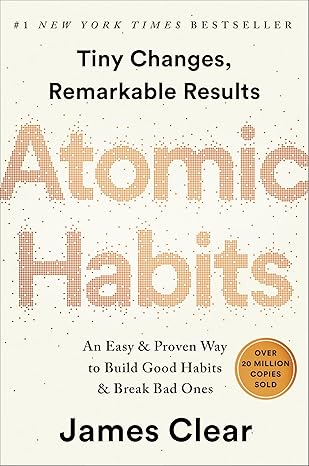
If habit tracking has ever felt frustrating or like “one more thing to do,” this book might just change your mind.
Atomic Habits breaks down the science of behavior change in a way that’s practical, simple, and actually doable—even with a busy schedule. I love how it emphasizes systems over willpower and focuses on making small changes that truly add up.
Whether you're trying to build a new routine, break an old habit, or finally follow through on those planning goals, this book offers tools that stick. It’s a must-read for anyone looking to create more structure without the stress!

5 Things I Do Every Friday to Stay Organized & Avoid the Sunday Scaries
Ever feel like you slide into the weekend with your brain still stuck in work mode—and then hit Monday already behind? That used to be my reality until I built this simple Friday reset routine.
In this video, I’m sharing the 5 things I do every Friday to close out my week with intention, clear the mental clutter, and walk into the weekend actually feeling done. It’s quick, it’s effective, and it’s the reason Monday mornings now feel calm and focused instead of chaotic.
You’ll see how this ties into your existing planning system, how to carve out mental white space, and how a few small steps on Friday can make a big difference come Monday.
|

This Week’s Buzz: Can Procrastination Be a Good Thing??
This week’s Weekly Buzz comes from a great question someone asked me in a recent workshop: What if I do my best work at the last minute?
Here’s the thing—there’s a difference between true procrastination and something I call “purposeful delay”… and knowing the difference is key.
In this week’s Weekly Buzz, I’m breaking down how to recognize your patterns, why pressure isn’t always a bad thing, and how to make your plan work with your natural tendencies—not against them.
Remember, this video is only available until Wednesday—don’t miss it! Head to The Pink Bee app to watch now.

Friend, don’t forget—just 15 minutes of planning today can set the tone for your entire week. You’ve got the tools, you’ve got the tips, and now it’s time to take action. Let’s crush this week together!







Responses